

Introduction
Medical Terminology: A Comprehensive Guide to the Language of Healthcare
Welcome to Medical Terminology, the essential guide to understanding the language of healthcare. This book is designed to equip students and professionals with the skills to confidently read, write, and speak medical terms. By learning the fundamental building blocks of medical language, you will unlock the meaning of complex words and concepts. This knowledge is a cornerstone of patient care, communication, and safety.
Lesson 1.1: The Basics of Word Construction
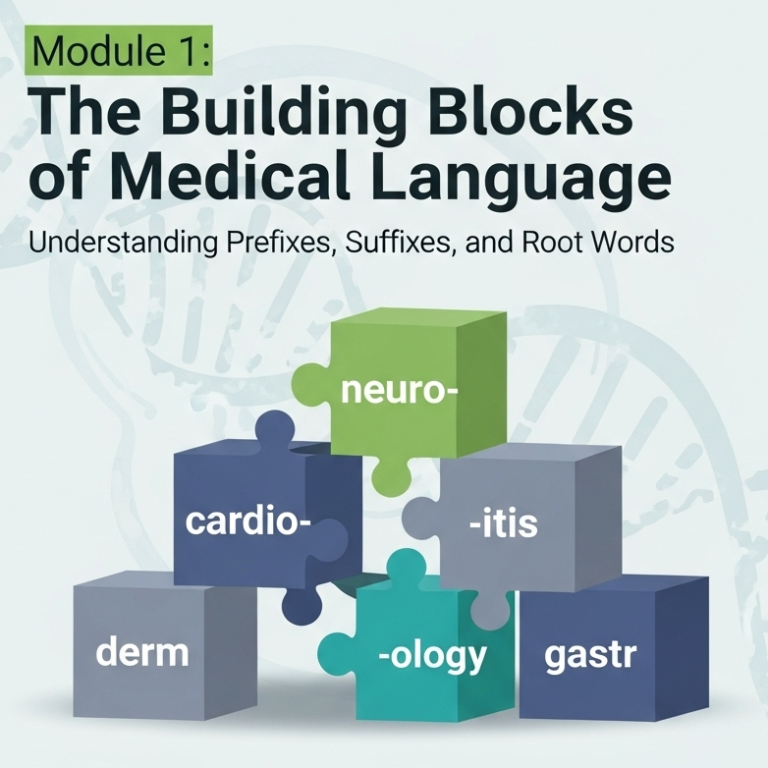
Module 1: The Building Blocks of Medical Language
very medical term is like a puzzle with three main pieces: the prefix, the suffix, and the root word. A root word is the core of the term, giving it its essential meaning. For example, cardi means "heart," and gastr means "stomach." A prefix is attached to the beginning of the root word and modifies its meaning, often indicating location, number, or time. For instance, tachy- means "fast" and endo- means "within." A suffix is attached to the end of the root word and gives it new meaning, typically describing a condition, disease, or procedure. The suffix -itis means "inflammation" and -ectomy means "surgical removal."
By understanding how these components work, you can dissect and define even the most complicated terms. For example, let's build the term pericarditis. The prefix is peri- (meaning "around"). The root word is cardi (meaning "heart"). The suffix is -itis (meaning "inflammation"). Combining these parts gives us "inflammation around the heart."
The word parts are often connected by a combining vowel, which is usually 'o'. This creates a combining form (e.g., cardi/o). This vowel makes the term easier to pronounce and is used when a root word is followed by another root word or a suffix that begins with a consonant. For example, cardiology is composed of the combining form cardi/o and the suffix -logy.
Lesson 1.2: Common Prefixes
Prefixes are crucial because they add context and specificity to a medical term. A single prefix can change a word's meaning entirely.
Location/Direction:
- endo-: inside, within (e.g., endoscopy, a procedure to look inside the body)
- epi-: upon, above (e.g., epidermis, the layer of skin above the dermis)
- inter-: between (e.g., intercostal, the muscles between the ribs)
- intra-: within, into (e.g., intravenous, a procedure to place a substance directly into a vein)
- sub-: under, below (e.g., subcutaneous, tissue below the skin)
- peri-: around, surrounding (e.g., pericardial, pertaining to the area around the heart)
Number/Quantity:
- bi-: two (e.g., bilateral, affecting two sides)
- mono-: one, single (e.g., monocyte, a type of single-nucleus white blood cell)
- poly-: many, much (e.g., polyuria, a condition of frequent urination)
- tachy-: fast (e.g., tachycardia, a fast heart rate)
- brady-: slow (e.g., bradycardia, a slow heart rate)
Time/State:
- a- / an-: without, not (e.g., apnea, without breath)
- dys-: painful, difficult, abnormal (e.g., dyspnea, difficult breathing)
- hyper-: above, excessive, high (e.g., hypertension, high blood pressure)
- hypo-: below, deficient, low (e.g., hypoglycemia, low blood sugar)
- pre-: before (e.g., prenatal, the period before birth)
Lesson 1.3: Common Suffixes
Suffixes are perhaps the most important word part because they determine a term's function—whether it's a disease, a procedure, or a condition.
Conditions/Diseases:
- -itis: inflammation (e.g., arthritis, inflammation of a joint; hepatitis, inflammation of the liver)
- -algia: pain (e.g., neuralgia, nerve pain; otolgia, ear pain)
- -oma: tumor, mass (e.g., adenoma, a glandular tumor; hematoma, a mass of clotted blood)
- -osis: abnormal condition (e.g., cyanosis, an abnormal blue condition of the skin; tuberculosis, a condition of the lungs)
- -pathy: disease (e.g., neuropathy, a disease of the nerves; cardiomyopathy, a disease of the heart muscle)
Procedures:
- -ectomy: surgical removal (e.g., appendectomy, removal of the appendix; gastrectomy, removal of the stomach)
- -tomy: incision, cutting into (e.g., tracheotomy, an incision into the trachea; craniotomy, an incision into the skull)
- -plasty: surgical repair (e.g., rhinoplasty, plastic surgery of the nose; arthroplasty, surgical repair of a joint)
- -scopy: visual examination (e.g., bronchoscopy, visual examination of the bronchi; laparoscopy, visual examination of the abdominal cavity)
Lesson 1.4: Medical Root Words
Root words are the essential building blocks. They often refer to a specific body part, organ, or function.
Body Parts: o
- cardi/o: heart
- gastr/o: stomach
- nephr/o: kidney
- cephal/o: head
- hepat/o: liver
- oste/o: bone
- neur/o: nerve
- pulmon/o: lung
- dermat/o: skin
- hemat/o: blood
Common Terms from Roots:
- Cardiologist: Cardi/o (heart) + -logist (specialist) = a specialist of the heart.
- Gastritis: Gastr (stomach) + -itis (inflammation) = inflammation of the stomach.od
- Nephrology: Nephr/o (kidney) + -logy (study of) = the study of the kidneys.
- Cranial: Crani (skull) + -al (pertaining to) = pertaining to the skull.
Module 2: Terminology of Body Systems
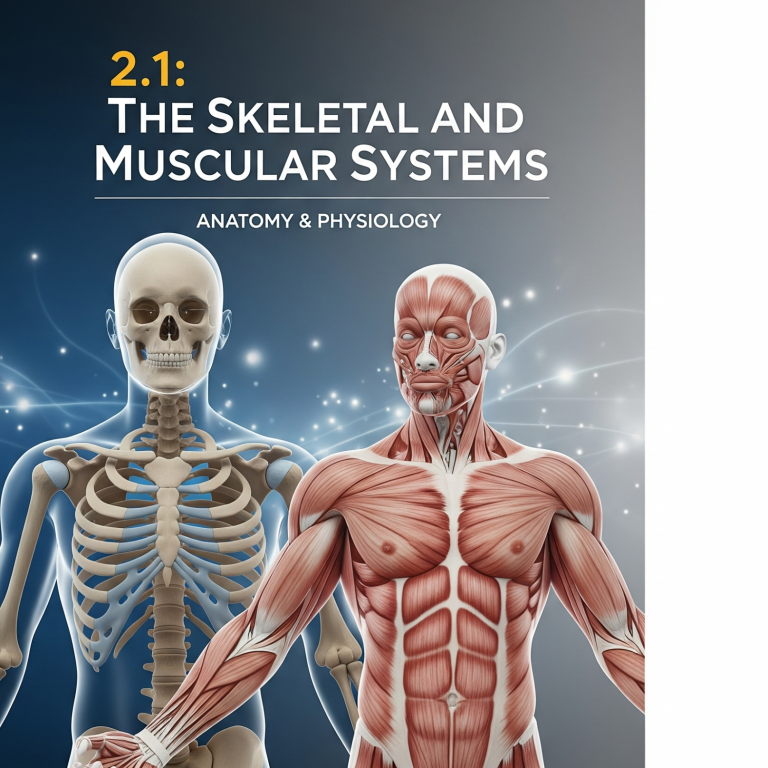
2.1: The Skeletal and Muscular Systems
The skeletal system provides the body's framework, protecting internal organs and anchoring muscles. The muscular system is responsible for all body movements, from walking to heartbeats.
Skeletal Terminology:
- oste/o: bone (e.g., osteoporosis, a condition of porous bones)
- arthr/o: joint (e.g., arthritis, joint inflammation)
- chondr/o: cartilage (e.g., chondromalacia, softening of cartilage)
- myel/o: bone marrow (e.g., myeloma, a bone marrow tumor)
Muscular Terminology:
- my/o or muscul/o: muscle (e.g., myalgia, muscle pain)
- tendin/o or ten/o: tendon (e.g., tendinitis, inflammation of a tendon)
- fasci/o: fascia (e.g., fasciotomy, an incision into the fascia)
- kinesi/o: movement (e.g., kinesiology, the study of body movement)
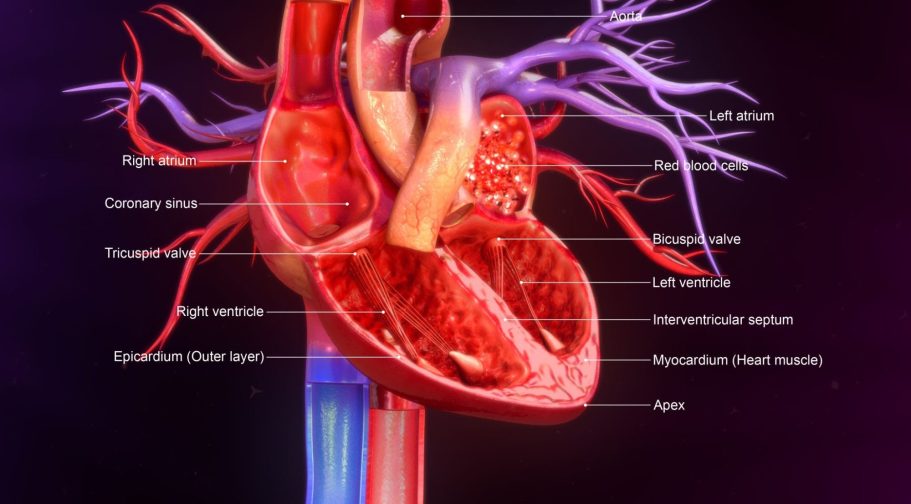
Heart & Vessels: Root words inc vitallude cardi/o (heart), angi the circulation of blood, oxygen, and nutrients. It consists of the heart, blood vessels, and blood.(above, high) + tean icardi/or heart (e.g.,tcardiomegaly, enlargement of the heart)
- angi/o or vas/o: vessel (e.g., angiogram, a record of blood vessels)
- phleb/o or ven/o vein (e.g.,Tphlebotomy, an incision into a vein)
- arteri/oy artery (e.g.,garteriosclerosis, hardening of the arteries)
Blood & Circulation:
- hem/o or hemat/o: blood (e.g., hematology, the study of blood)
- thromb/o: clot (e.g., thrombosis, a condition of blood clots)
- embol/o: embolus, moving clot (e.g., embolism, a blockage caused by a moving clot)
- anemia: a- (without) + -emia (blood condition), a condition of deficient red blood cells
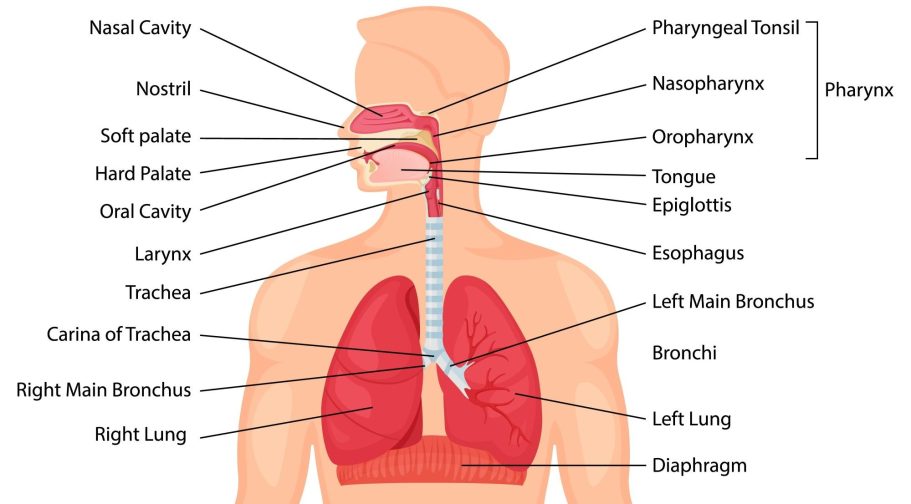
Lesson 2. It includes the lungs, trachea, and bronchi.
The Digestive asystpulmon/o or pneumon/os lung (e.g., pneumonia, a lung condition)
- trache/o: trachea, windpipe (e.g., tracheostomy, creation of an opening in the trachea)
- bronch/ol bronchus (e.g.,ibronchitis, inflammation of the bronchi)
- pleur/oi pleura (e.g.,spleurisy, inflammation of the pleura)e)
- rhin/o: nose (e.g., rhinorrhea, a runny nose)
- + -itis (inflammation)
Bronchitis: Bronch (bronchus) + -itiThe primary function of this system is to exchangetomy (creat)
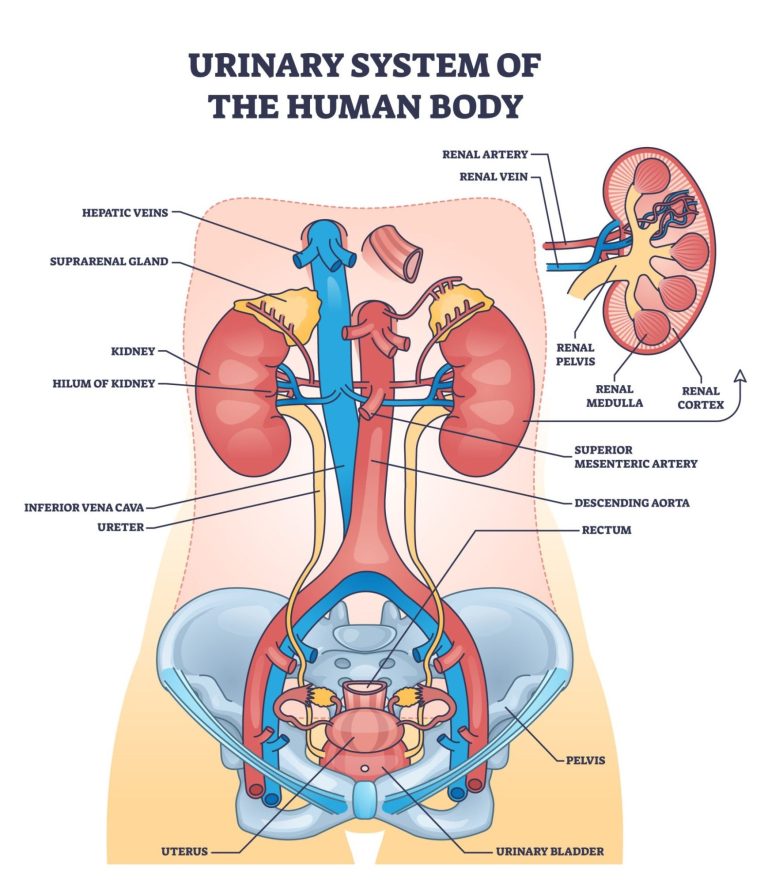
Urinary Terminology: digestive system breaks down food for energy, while the urinary system filters waste from the blood to create urine.
- Cystoscopy: Cy
- gastr/ stomach (e.g.,ogastritis, inflammation of the stomach)
- enter/o: intestine (e.g., enteritis, inflammation of the small intestine)
- hepat/o, liver (e.g., hepatomegaly, enlargement of the liver)
- chol/e: gall, bile (e.g., cholecystectomy, removal of the gallbladder)
- col/o: colon (e.g., colonoscopy, visual examination of the colon)ocess of recording).
MoSurgnephr/o or ren/oi kidney (e.g.,anephrology, the study of the kidneys)
- cyst/o: bladder (e.g., cystitis, bladder inflammation)
- ureter/or ureter (e.g.,eureterolithiasis, a condition of stones in the ureter)
- urethr/o: urethra (e.g., urethritis, inflammation of the urethra)
Lesson 2.5: The Nervous System
This system is the body's control center, coordinating all actions and sensory information. It includes the brain, spinal cord, and a vast network of nerves.(radiography)
- -mrmacneur/ot nerve (e.g.,hneuropathy, a disease of the nerves)
- encephal/o: brain (e.g., encephalitis, inflammation of the brain)
- mening/oa meninges (e.g.,nmeningitis, inflammation of the meninges)
- myel/o: spinal cord (e.g., myelogram, an X-ray of the spinal cord)
- cerebr/o: cerebrum (e.g., cerebrovascular, pertaining to the blood vessels of the cerebrum)us (under the skin)
Lesson 3.3: Medical Specialties
Medical specialties are fields of medicine fe study of the heart. A speProcedures to Remove: cialist (e.g., splenectomy, removal of the spleen), -centesis (e.g., thoracentesis, puncture to remove fluid from the chest).y ofProcedures to Incise or Cut: the (e.g., tracheotomy, incision into the trachea). derProcedures to Repair: matolog (e.g., angioplasty, surgical repair of a vessel), -rrhaphy (e.g., herniorrhaphy, surgical repair of a hernia).
- Procedures to Create an Opening: -stomy (e.g., colostomy, creation of an opening into the colon).
- Diagnostic Procedures: Visual Examination: -scopy (e.g., endoscopy).is cProcess of Recording: rucial (e.g., mammography, the process of recording an image of the breast), -gram (the record itself, e.g., mammogram).
(e.g., audiometry, the measurement of hearing).
Dx Diagnosis
Rx Prescription
qid Four times a day
STAT Immediately
prn As needed
tid Three times a day

Module 4: Putting It All Together
Lesson 4.1: Building a Patient Case Study
Let's apply what you've learned to a patient case.
Case Study: Mr. Jones, a 65-year-old male, presents to the ED with complaints of dyspnea (shortness of breath) and myalgia (muscle pain). His BP is high, a condition known as hypertension. The physician orders a cardiogram and a chest X-ray to rule out pneumonia. His diagnosis is congestive heart failure and he is prescribed a diuretic to reduce fluid retention.
Lesson 4.2: Practice and Review
Review the prefixes, suffixes, and root words from Module 1. Use the Quizlet flashcard tool to test your knowledge on the different body systems from Module 2. Practice dissecting new terms by identifying their component parts. For example, break down the term gastrointestinal.
Lesson 4.3: Final Assessment
The final assessment will test your mastery of the entire course. It will include:
Multiple-Choice Questions: On common terms, prefixes, and suffixes.
Term Dissection: You will be given a list of medical terms and asked to break them down into their component parts and define them.
Short Answer: Applying terminology in a short case scenario.